Flowers
Weak top notes. Low-temperature fractionation captures head-note compounds for fresh, layered florals.
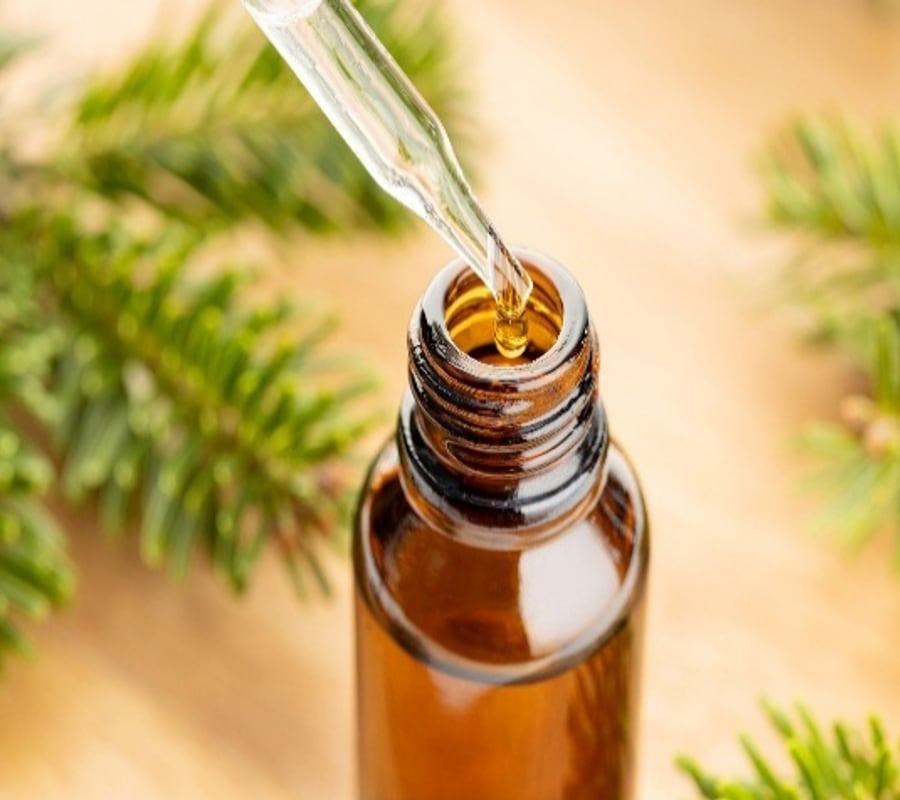
The underlying extraction technology behind every Wondefeel concentrate.
We analysed the strengths and weaknesses of each extraction route, weighed raw-material character, geographic advantage and equipment yield, and after repeated scientific validation confirmed low-temperature fractional extraction as the underlying technology for all our concentrates.
By completing extraction at low temperature, the characteristic aroma of the raw material is better preserved, overcoming the spoilage and impurity dissolution that occur in conventional extraction.
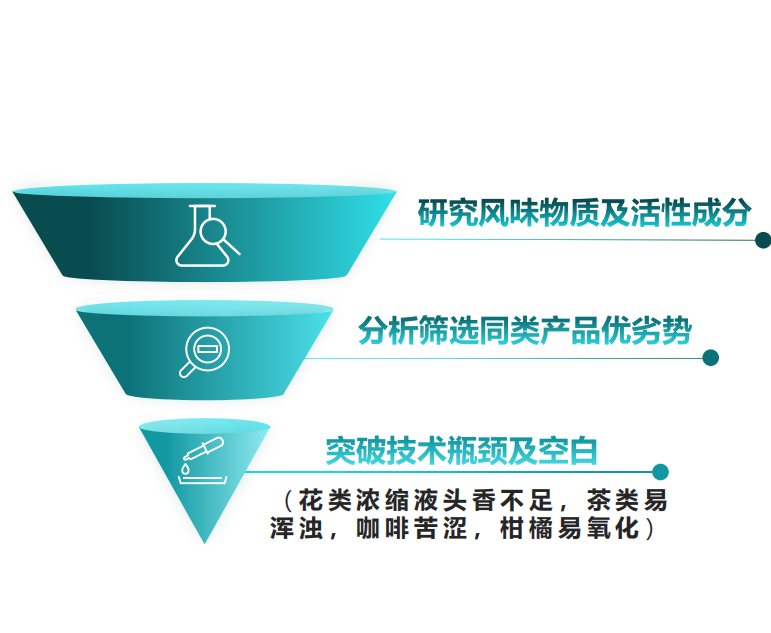
Weak top notes. Low-temperature fractionation captures head-note compounds for fresh, layered florals.
Turbidity. Controlled extraction and finishing keep the liquor clear and close to freshly brewed.
Harsh bitterness. Roast and extraction are tailored per bean to remove bitterness while keeping elegant acidity, caramel and fruit.
Oxidation. Optimised processing and an anti-oxidation system keep citrus aroma clean and bright.
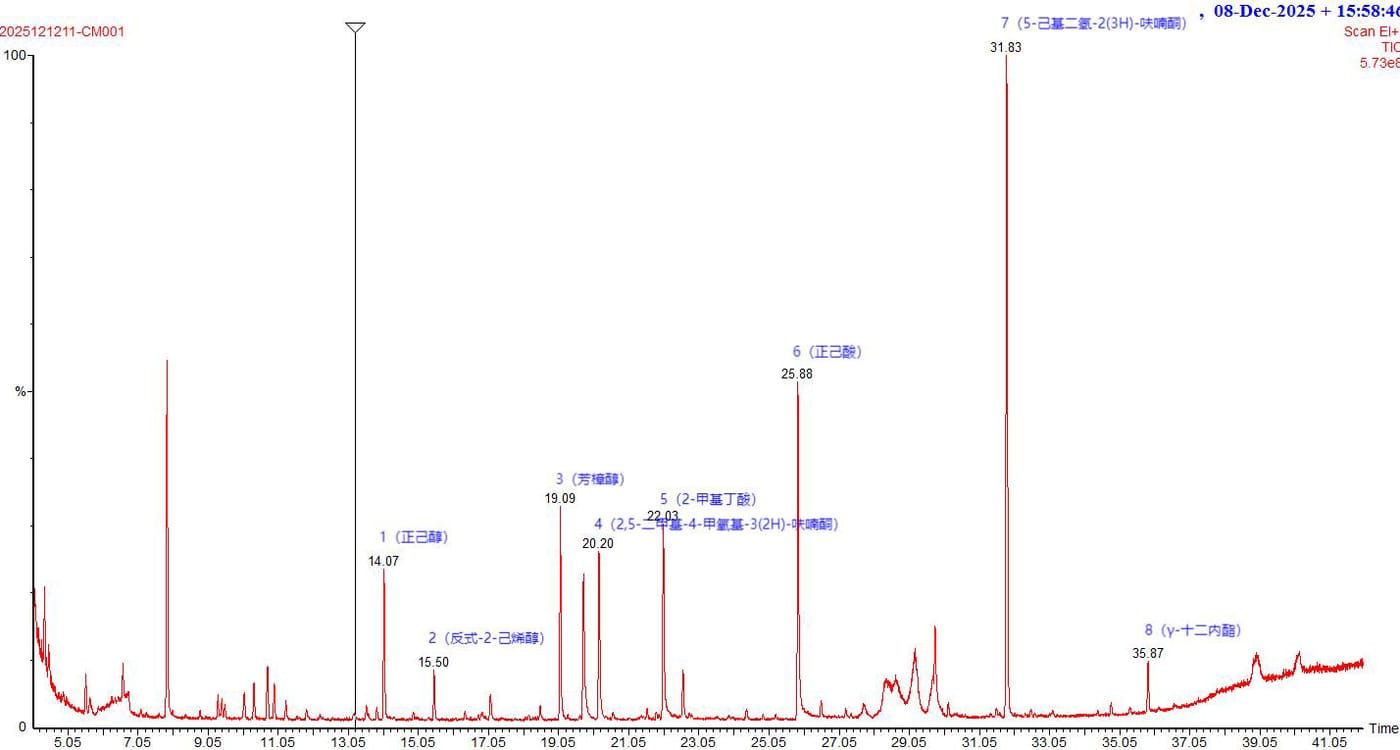
Taking strawberry and white tea as examples, we analyse the aroma composition of the concentrate and identify key flavour compounds — 1-hexanol, trans-2-hexenol, linalool, 2-methylbutanoic acid, γ-dodecalactone and others — then adjust fractionation and blending accordingly so that the natural aroma is fully and accurately reproduced.
The Yunnan plant focuses on high-ratio concentrates for finished products; the Tibet plant produces ultra-high-ratio concentrates born for flavours. Both lines cover the same categories — flowers, fruit, vegetables, coffee, tea and more.
If the Yunnan plant serves finished products, the Tibet plant serves the flavourist.
The Yunnan plant’s core product is the high-ratio concentrate line at roughly 20–50×. Its defining feature is an extremely short ingredient list: raw material + water, with water used purely as the extraction solvent. What the formulator writes on the label is what the consumer can understand — no unnecessary additive burden, a natural fit for clean-label positioning.
Partner bases at origin, managed by dedicated specialists under strict quality control.
Raw materials are processed quickly from origin to plant, preserving freshness and aroma integrity.
Fractional extraction at low temperature preserves signature aroma and avoids spoilage and impurity dissolution.
Analytical data validates aroma composition; repeated blending trials form the finished product.
A reliable preservation and anti-oxidation system enables ambient liquid storage.
Performance validated in the customer’s real application, delivering a stable production-ready solution.
We provide application-solution planning, working with you from flavour concept through to commercial production.